
An Animal Institute project
Understand the wildlife around you.
Animal behavior is often misunderstood. What appears to be aggression is usually fear. Conflicts with humans can often be remedied without trapping, killing, or relocation - and many will resolve themselves without intervention. What looks like an emergency may be ordinary behavior seen from an unfamiliar angle. Start with what you observed and follow our guidance.
Plain words work here. Try fox screaming at night, squirrel acting drunk, or rabbit nest in my lawn.
Happening in the wild right now
Mid-August
- Fawns are losing their spotsSpotted coats fade as fawns wean. A fawn alone in tall grass in August is a normal fawn, not an orphan — the doe is feeding nearby and returns at dusk.White-tailed Deer
- Second and third broods are leaving the nestCardinals and Carolina Wrens nest into late summer. Ground-hopping young birds with short tails are fledglings under parental care.Songbirds
- Box turtle hatchlings are emergingQuarter-sized turtles cross lawns and driveways after warm rain. Move them the way they were already heading, never to water.Eastern Box Turtle
- Hummingbirds are packing on weight for the GulfRuby-throateds nearly double their mass before crossing. Feeder traffic peaks now and drops abruptly in late September.Migration
- Young opossums are travelling aloneAt roughly the length of your hand, an opossum is independent. Size, not solitude, is the test.Virginia Opossum
Explore by question
Start here
All learning- How toTreat Mange in Coyotes, Foxes, and Raccoons in the WildManage is epidemic in coyote and fox populations, but this deadly condition is easy to treat in the wild, without ever trapping or capturing the affected animal.
- How toReunite a Raccoon Kit with its MotherA step-by-step guide on how to reunite one or more raccoon kits with their mother.
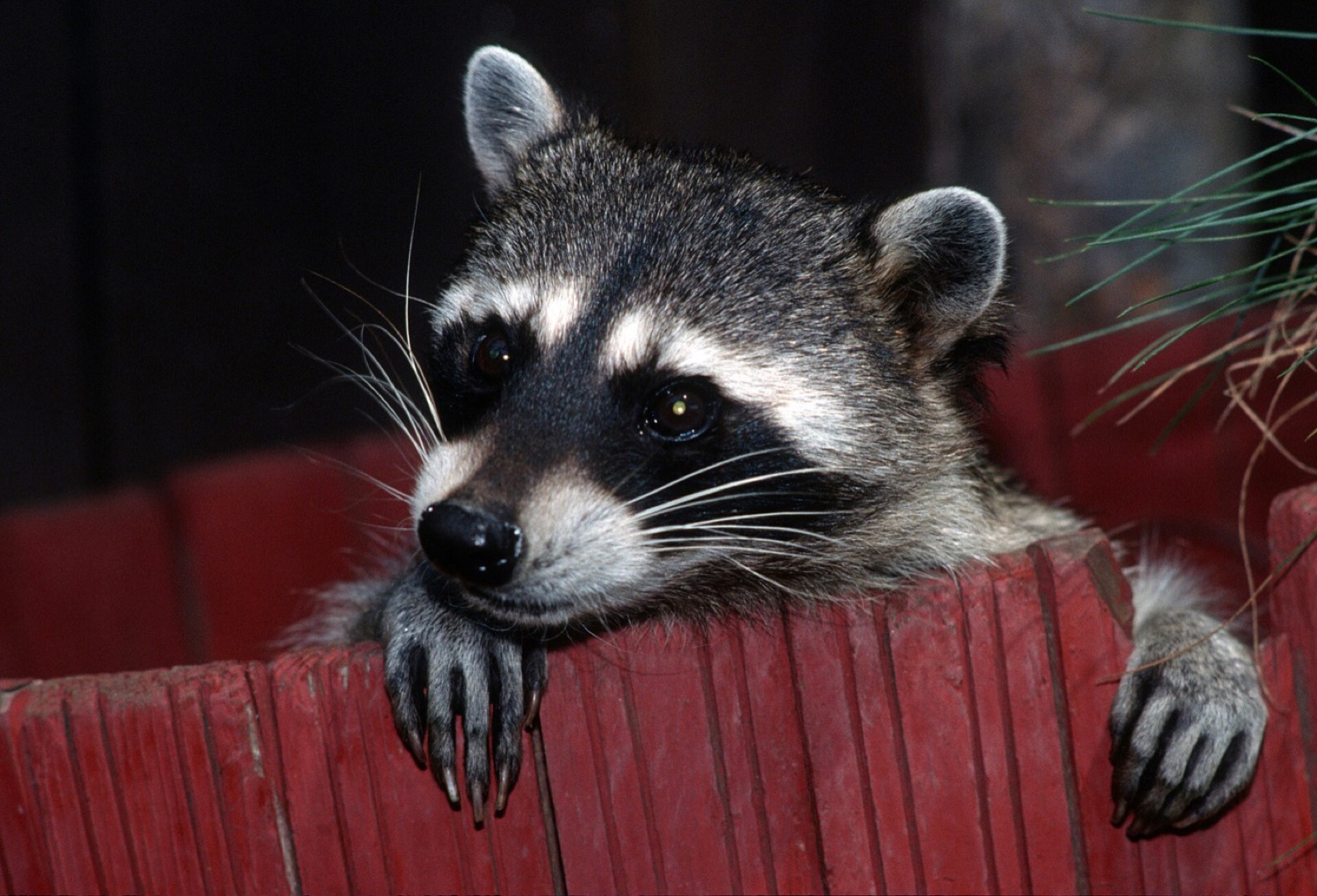
- ExplainerA Raccoon in Daylight: Normal, Distemper, Rabies, or Babies?One of the most persistent wildlife myths is that a raccoon seen in daylight “must be rabid.” That shortcut is unreliable. Healthy raccoons can be active during daylight, while sick raccoons may be active at any hour. The right question is not “What time is it?” but “What is the animal actually doing?”
- ExplainerA Raccoon in the Attic is Usually a Nursing Mom with BabiesA raccoon in the attic is usually a mother with dependent young that are hidden out of sight. That possibility should shape every removal decision.
Ideas that explain most of it
Concepts, not categories. Each one recurs across dozens of species.
Explore all- ParentingHow wild animals raise young — and why absence is almost never abandonment.
- MigrationMovement on a schedule set by daylight, fat, and weather.
- TerritorialityWhy an animal defends a place, and what it thinks it is defending against.
- Torpor and hibernationSurviving the season when staying awake costs more than it returns.
- CommunicationSound, posture, scent, and light used to say something specific.
- PredationThe relationship that shapes nearly every other behaviour.
- Urban wildlifeThe species that found our infrastructure habitable.
- NestingWhere young are placed, and what that choice costs the parent.
- AdaptationTraits that only make sense against a specific pressure.
- IntelligenceProblem-solving, memory, and play in minds unlike ours.
- MisconceptionsBeliefs about wild animals that are widely held, confidently repeated, and wrong.