
Photo nature80020 (opens in a new tab), CC BY 2.0 (opens in a new tab)
Why coyotes belong here
Coyotes fill an important predator role. Rodents, rabbits and other small animals make up much of their diet, so coyotes participate in the same ecological balancing act that foxes, bobcats, hawks, owls and snakes do. Their ability to survive around people is not evidence of aggression; it is evidence of flexibility. A coyote can live near a subdivision for years while remaining almost completely unseen.
What people often misunderstand
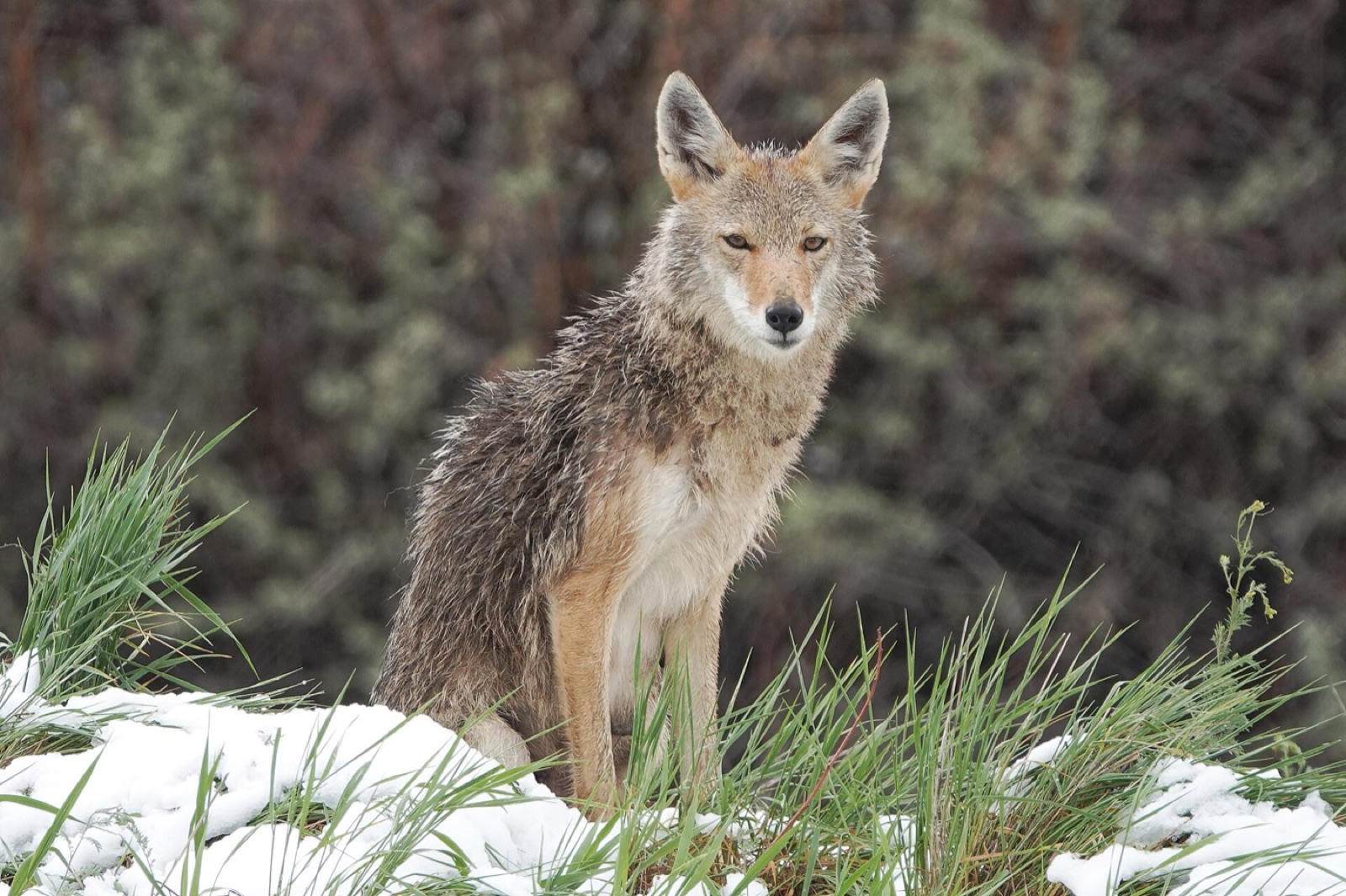
A sighting in daylight does not by itself mean a coyote is sick, rabid or “stalking” someone. Nor does a coyote standing and watching automatically mean it is preparing to attack. Wild canids use observation to assess risk. During denning season, adults may also remain visible near a route used by people or dogs because young are nearby. That calls for space and sensible pet management, not panic.
Pets and coyotes
Free-roaming cats and very small dogs can be vulnerable to coyotes and to many other hazards. The most effective protection is boring but reliable: keep cats indoors or in a secure catio, walk dogs on a short leash, supervise small dogs outdoors, secure chickens and remove outdoor food that attracts wildlife. These measures protect pets every day, whether or not a coyote has just been seen.
What to do
- Enjoy sightings from a respectful distance.
- Remove attractants such as pet food, unsecured trash and fallen fruit.
- Do not intentionally feed coyotes.
- Keep pets close and supervised, especially small pets.
- If a coyote becomes too comfortable approaching people, use calm, consistent hazing appropriate to the situation and local guidance.
Familiarity is one of the best antidotes to fear. Coyotes are not domestic dogs, and they deserve the same respectful distance we give all wildlife. But they also do not need to be turned into villains. A community that understands their behavior can protect people and pets while allowing coyotes to remain wild.