
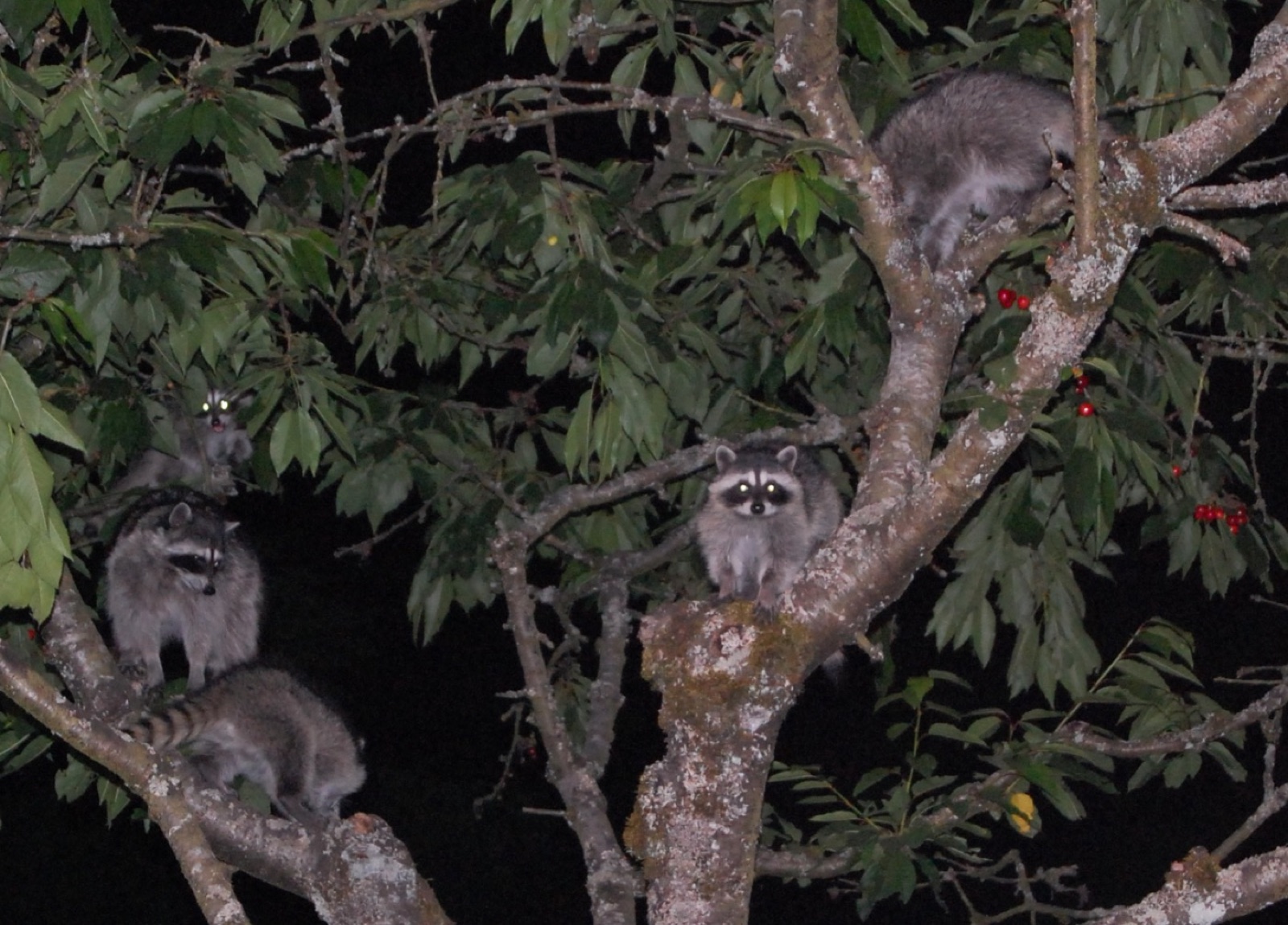
Photo AndrewBrownsword (opens in a new tab), CC BY-SA 3.0 (opens in a new tab)
Behavior alone cannot confirm rabies
Neurologic disease, trauma, distemper and other conditions can cause staggering, weakness or unusual behavior. Some healthy animals are active at unexpected times. Laboratory testing is how rabies is confirmed in an animal.
Exposure is the decision point
A bite, scratch or saliva contact with the eyes, mouth or broken skin is much more important than whether an animal looked scary. Bat exposures require special attention because bites can be small. Public-health professionals use the species, circumstances and testing availability to guide post-exposure decisions.
Vaccinated pets create a protective barrier
Keeping dogs and cats current on rabies vaccination reduces the risk that wildlife exposure becomes a household public-health emergency. Avoiding wildlife handling is equally important.
Words shape outcomes
Calling an animal “rabid” based on a photo can prompt panic and unnecessary killing. It is better to describe observable behavior—“staggering,” “unable to fly,” “circling”—and let trained professionals interpret the risk.
What to do
- Never handle an abnormal wild mammal bare-handed.
- Keep pets vaccinated.
- After a bite, scratch or possible bat contact, wash exposed skin and see a doctor promptly.
- Do not release an animal involved in a possible human exposure until a doctor has advised what the person needs.
- Use precise descriptions instead of declaring “rabies” from appearance.
> Safety note: Possible rabies exposure should be discussed promptly with a healthcare professional or local public-health authority.
Respecting rabies science protects both people and wildlife. We can respond urgently to genuine exposure without turning every unusual wildlife sighting into a diagnosis made from fear.