
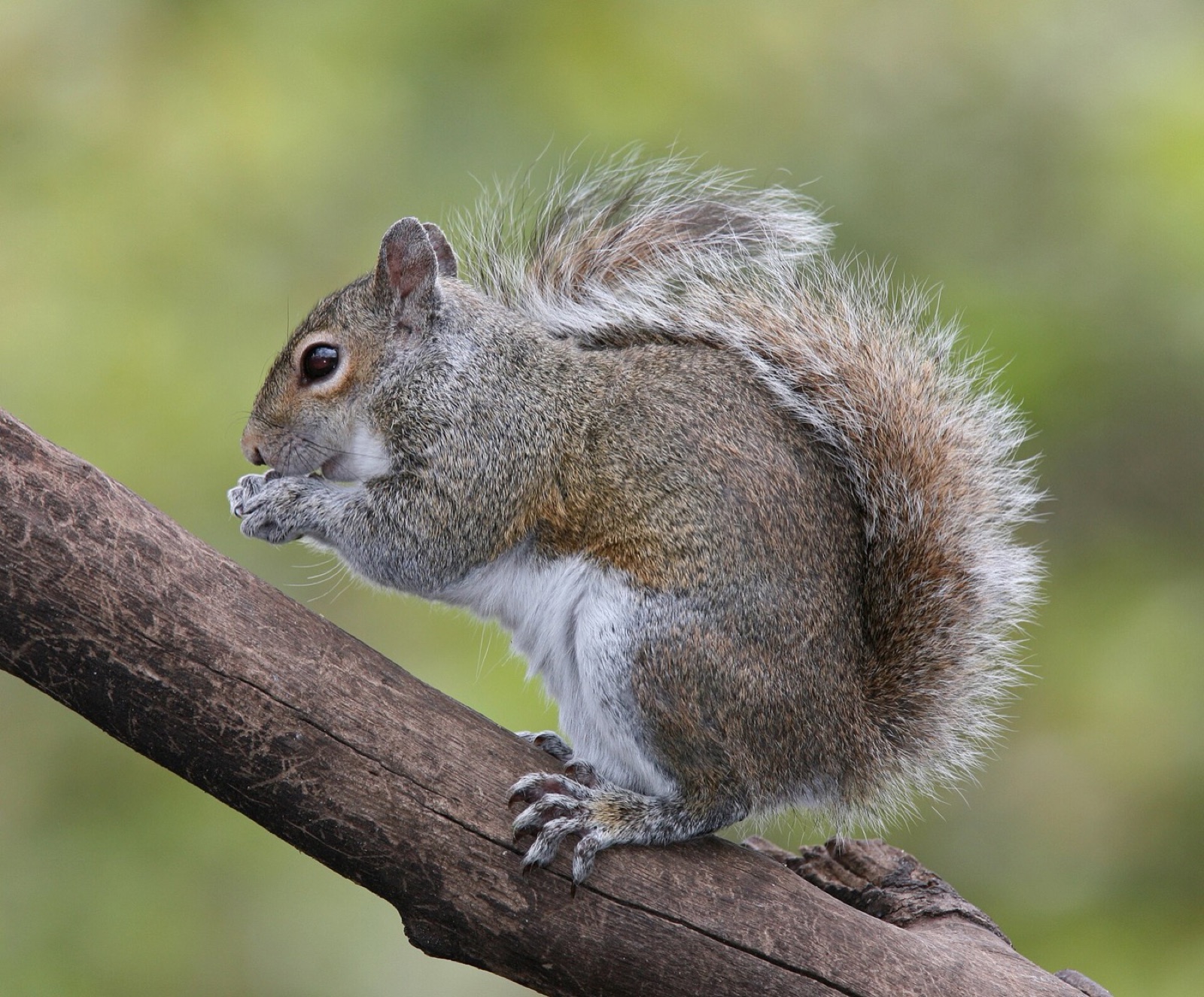
Photo Tom Friedel (opens in a new tab), CC BY 3.0 (opens in a new tab)
Pause before picking up
Young wildlife are often intentionally left alone. Fawns, fledgling birds, rabbits and other juveniles may have parents nearby. Unless there is an immediate hazard, observe from a distance before deciding the animal is orphaned.
If containment is necessary
For many small injured animals, a dark, quiet, ventilated container can reduce stress during transport. Keep people and pets away. Species differ, so capture instructions should come from a licensed rehabilitator whenever possible.
Do not feed or force water
Incorrect food, formula or fluid delivery can cause aspiration, digestive disease, shock or delayed treatment. “It looked hungry” is not enough to know what its body can safely handle after trauma.
What to do
- Photograph the animal from a safe distance.
- Note the exact location and time.
- Keep pets and bystanders away.
- Contact a licensed rehabilitator before feeding or moving the animal when circumstances allow.
- If advised to contain, use a secure ventilated box and minimize handling.
- For human bites, scratches or possible rabies exposure, see a doctor promptly.
> Safety note: Do not handle bats, adult deer, raptors, venomous snakes, or potentially rabid mammals without appropriate professional guidance.
Wildlife rehabilitation is not about collecting animals. It is about preserving wild lives and returning animals to wild independence. Sometimes that requires skilled treatment; sometimes it requires the wisdom to leave a healthy animal exactly where it is.
Decision point
Is this happening right now?
Answer a few questions and you will get an answer for the animal in front of you, filtered to rehabilitators who may lawfully take it.
Start the guidance flow