
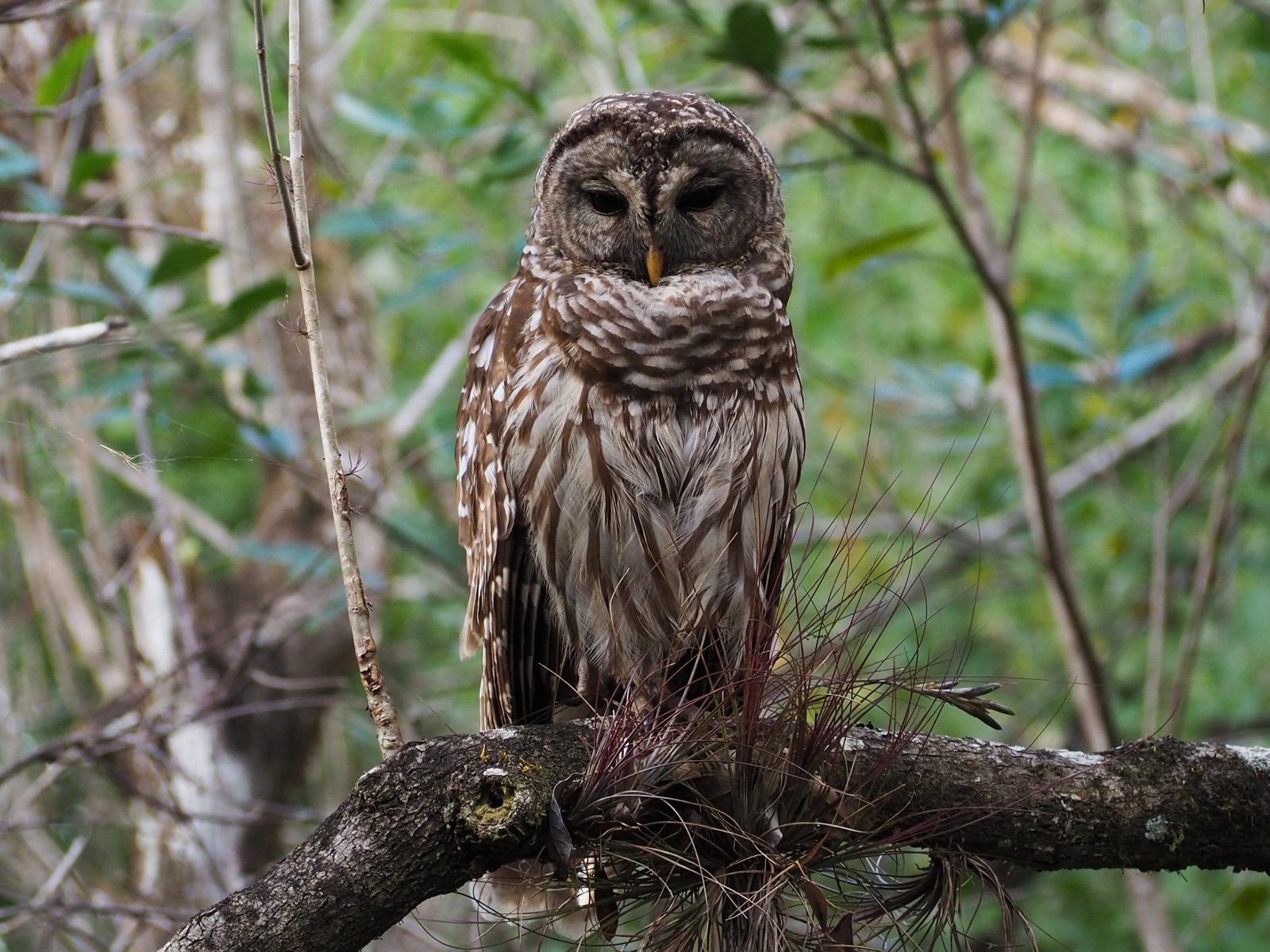
Photo Zygy (opens in a new tab), CC0 (opens in a new tab)
Safety comes first
Do not grab a conscious raptor with bare hands. Keep children and pets away, reduce noise and contact a permitted wildlife rehabilitator or raptor center for capture instructions. A bird that appears quiet may still defend itself powerfully.
Containment should reduce stress
If a professional advises you to contain the bird, use a secure ventilated box that prevents wing flapping and visual stimulation. Dark, quiet containment can reduce stress during transport. Do not place the bird in a wire cage where feathers can be damaged.
Do not improvise treatment
Food, water, splints and medications can all cause harm when used incorrectly. The goal of first aid is not to become the veterinarian—it is to prevent additional injury until the bird reaches qualified care.
What to do
- Keep a safe perimeter.
- Call a licensed bird or raptor rehabilitator.
- Follow capture instructions exactly.
- Transport in a dark, secure, ventilated container.
- Do not feed or force water.
- Record the exact location where the bird was found for possible release planning.
> Safety note: Raptor talons can cause severe injury. Do not attempt capture without guidance from an experienced wildlife professional.
Helping a raptor is a handoff, not a home-care project. The best rescue is calm, safe and fast, with the bird transferred to people equipped to restore its ability to live wild.
Decision point
Is this happening right now?
Answer a few questions and you will get an answer for the animal in front of you, filtered to rehabilitators who may lawfully take it.
Start the guidance flow