
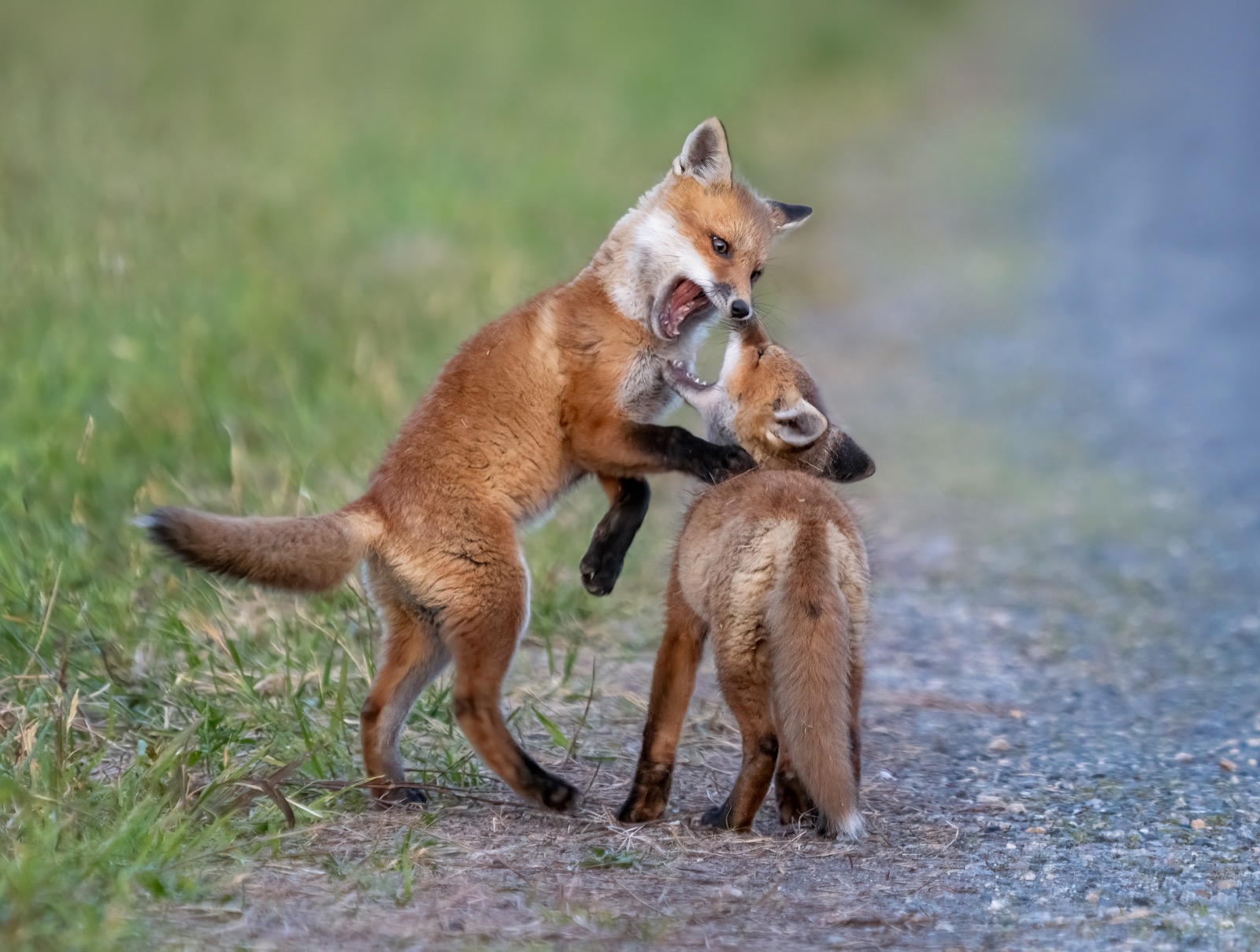
Photo Rhododendrites (opens in a new tab), CC BY-SA 4.0 (opens in a new tab)
First, confirm that coexistence is possible
If the foxes are not entering the house, threatening confined animals or creating another immediate hazard, consider leaving the den alone for the short period it is actively used. Keep children and pets away from the entrance and avoid repeatedly checking on the kits.
Why trapping can create a worse problem
A trapped adult may be a nursing mother. Removing her without locating dependent young can leave kits to starve in an inaccessible space. Even when relocation is legally permitted, moving wildlife can separate families, expose animals to unfamiliar territories and fail to address the reason the site was attractive in the first place.
After the family moves on
Only after you are certain the den is empty should you close access. Use durable exclusion materials and inspect for alternate openings. Remove food attractants nearby so another animal is not encouraged to use the same protected cavity.
What to do
- Keep dogs leashed or directly supervised near the den.
- Do not put food outside for the fox family.
- Avoid toxic fumes, mothballs, ammonia or other dangerous repellents.
- If eviction is truly necessary during baby season, use a humane wildlife professional who understands dependent young and current law.
- Seal the space only after confirming every animal has left.
A temporary den can be an opportunity to watch a wild family grow from a respectful distance. The goal is not to make foxes tame; it is to let them complete a normal life stage without turning a short-term inconvenience into an orphaning event.
Decision point
Is this happening right now?
Answer a few questions and you will get an answer for the animal in front of you, filtered to rehabilitators who may lawfully take it.
Start the guidance flow