
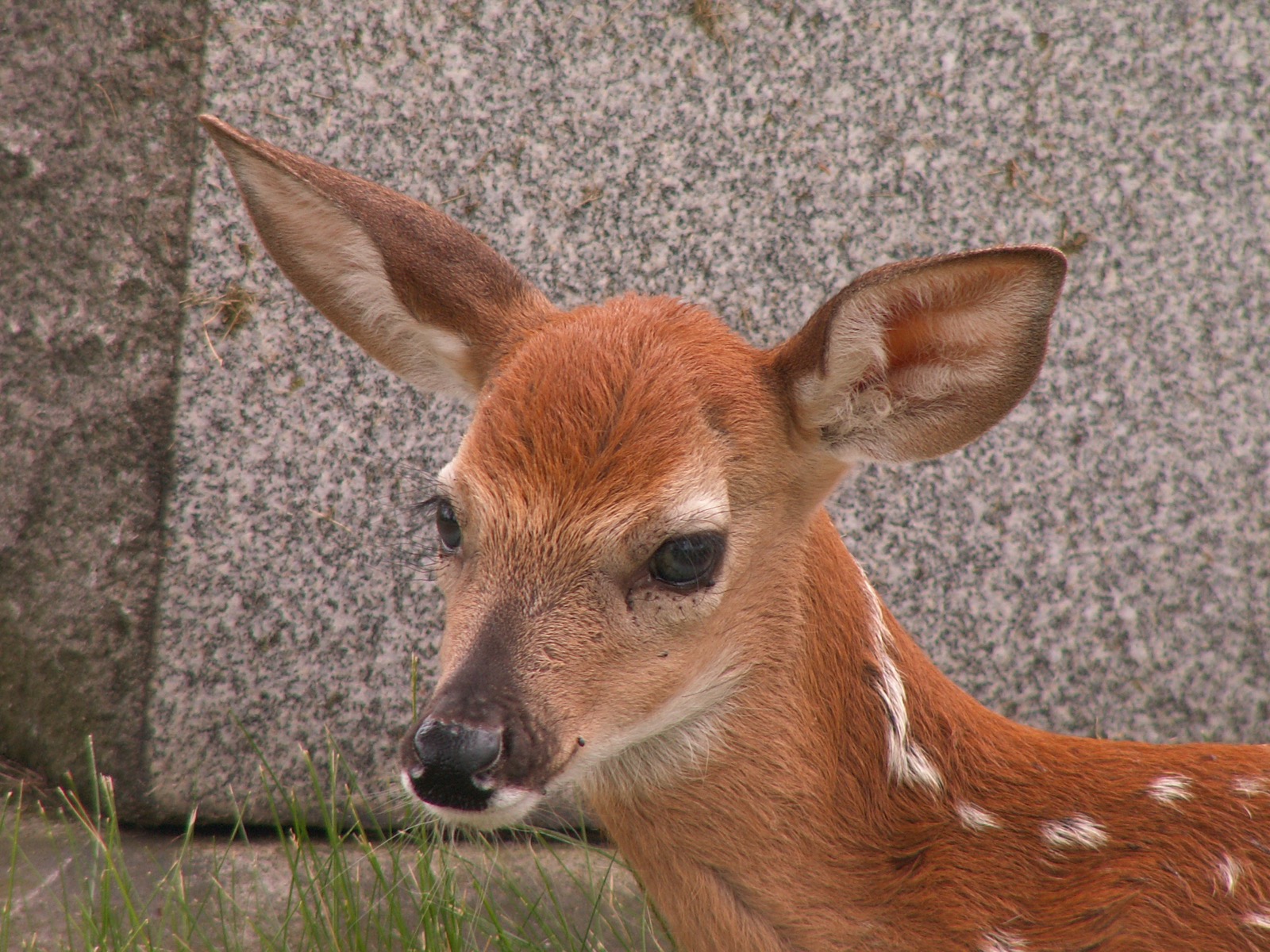
Photo Cbaile19 (opens in a new tab), CC0 (opens in a new tab)
Alone is often normal
A healthy fawn may lie quietly for hours with no adult visible. The mother’s absence is protective behavior, not neglect. Hovering nearby can delay her return, so watching continuously from a few yards away can accidentally create the very situation you are worried about.
When concern is justified
Obvious wounds, heavy bleeding, flies or maggots, difficulty breathing, inability to hold the head up, severe weakness, a known dead mother or persistent distress are reasons to seek expert help. A fawn lying on its side and unable to right itself is different from one resting normally with legs tucked beneath it.
Do not feed a rescue into trouble
Wild young have specialized nutritional needs, and aspiration from improper feeding can be fatal. Do not pour water, milk or formula into a fawn’s mouth. Contact a licensed wildlife rehabilitator for instructions.
What to do
- Back away and keep pets and people away.
- Observe from a substantial distance rather than standing over the fawn.
- Leave the fawn in place unless it is in immediate danger.
- If it is in direct sun and clearly compromised, seek professional guidance before moving it.
- Contact a licensed rehabilitator if there are signs of injury, illness or true orphaning.
For healthy fawns, compassion usually looks like restraint. “If you care, leave them there” is not indifference; it is recognition that the mother is often doing exactly what a good deer mother is supposed to do.
Decision point
Is this happening right now?
Answer a few questions and you will get an answer for the animal in front of you, filtered to rehabilitators who may lawfully take it.
Start the guidance flow