
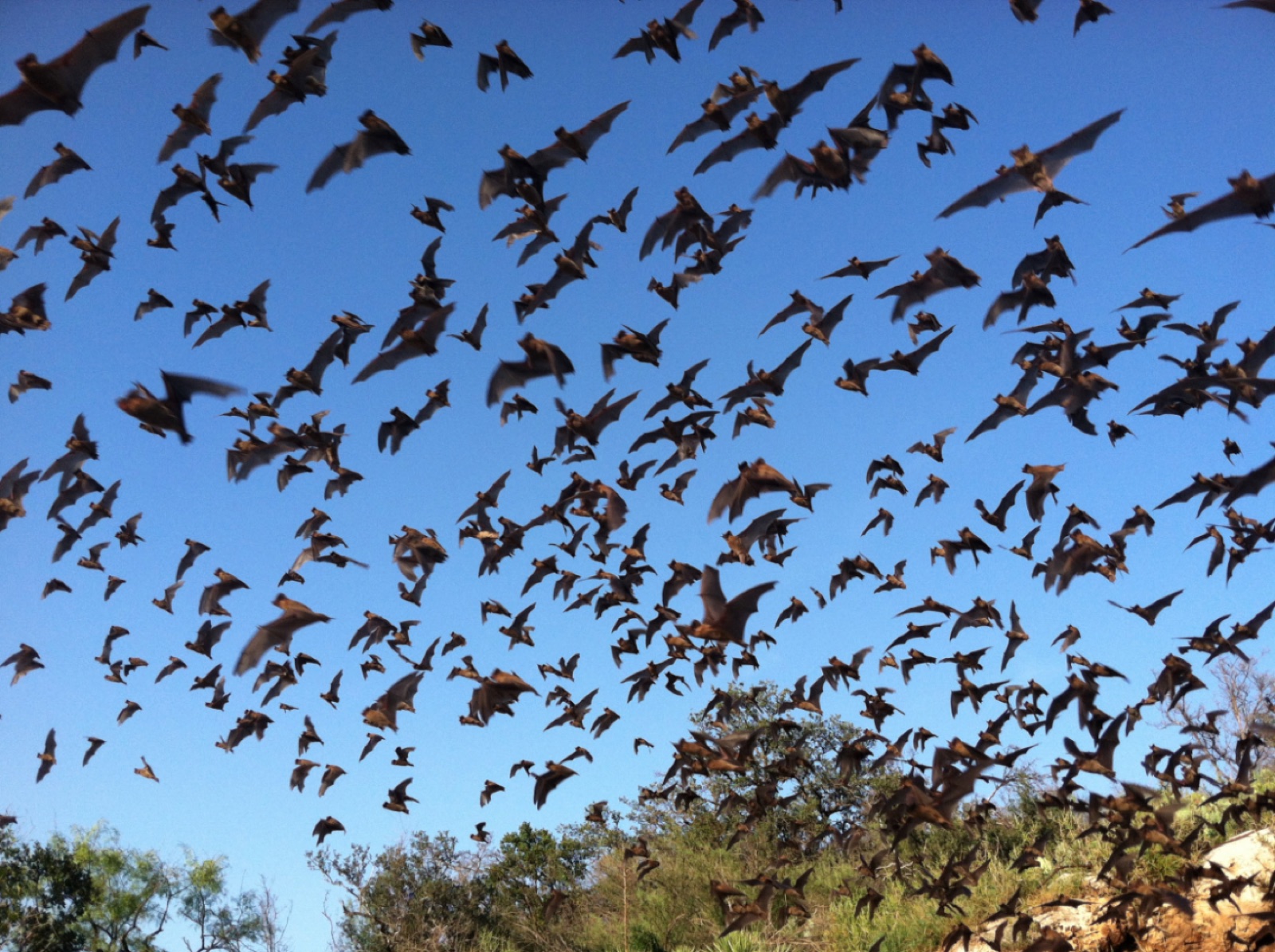
Photo U.S. Fish and Wildlife Service Headquarters (opens in a new tab), Public domain (opens in a new tab)
Why bats matter
Insect-eating bats consume enormous numbers of night-flying insects and are important parts of forest and agricultural ecosystems. Their ecological value is one reason bat conservation matters far beyond simply liking bats.
Rabies deserves respect, not exaggeration
Most bats are not rabid, but bats are important in human rabies prevention because a bite or scratch can be small and easy to overlook. The practical message is balanced: appreciate bats, do not touch them bare-handed, and treat possible direct contact as a reason to see a doctor promptly.
Bats are not flying mice
Bats are long-lived for their size and generally reproduce slowly. Many species have only one pup a year. That means unnecessary deaths can matter to populations more than people may realize, especially for species already stressed by habitat loss or disease.
What to do
- Watch bats outdoors without trying to handle them.
- Keep cats indoors, especially around dusk when bats emerge.
- Maintain bat-friendly habitat and avoid unnecessary pesticide use.
- If bats roost in a structure, use legal one-way exclusion at the appropriate time of year rather than sealing them inside.
- Never intentionally feed or tame bats.
The safest relationship with bats is also the most respectful one: enjoy them at a distance, protect their habitat and know exactly what to do if direct contact occurs. Fear is not required for good safety.